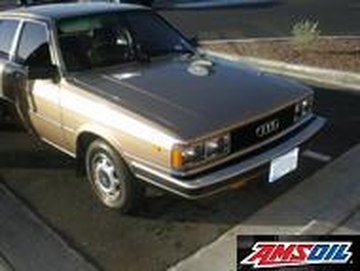
Lubrication Maintenance for the 1982 Audi 4000 1.7L
Maintaining the mechanical integrity of a 1982 Audi 4000 with the 1.7L engine requires a disciplined approach to fluid management and routine inspections. As vehicles age, the consistency of lubrication becomes a primary factor in preserving engine components and ensuring smooth operation. Proper care involves not only regular oil changes but also a keen eye for detecting subtle changes in how the vehicle operates or appears during routine service.
Monitoring Fluid Integrity and Potential Leaks
One of the most effective ways to monitor the health of the 1.7L engine is through frequent visual inspections of the engine bay and the ground beneath the vehicle. Over time, various seals and gaskets may experience changes in their ability to contain fluids. When performing routine maintenance, it is helpful to look for signs of seepage or active leaks around the engine block and connection points.
If you notice fresh fluid accumulating on the underside of the engine or forming spots on your driveway, this warrants investigation. It is important to note that a single symptom, such as an oil spot, can be associated with several different components. Rather than attempting to diagnose a specific failed seal immediately, focus on identifying the source and determining if the leakage is consistent or intermittent. Observing whether fluids appear near various gaskets or sealing surfaces provides a baseline for understanding the current condition of the engine's containment systems.
Observing Changes in Engine Operation
Beyond visual inspections, an owner should remain attentive to how the 1982 Audi 4000 behaves during operation. While many mechanical issues are not immediately apparent, certain indicators can suggest that lubrication or other vital systems require attention. For example, changes in the sound of the engine or unusual vibrations may indicate that something is not operating within its normal parameters.
If you notice any unexpected changes in how the vehicle runs, it should be investigated promptly. Similarly, if there are visible signs such as smoke from the exhaust, this can be a symptom of various underlying issues and does not necessarily point to one specific mechanical failure. Because symptoms often have multiple possible causes, professional diagnostic tools or a thorough inspection by a technician may be necessary to reach an accurate conclusion. Staying proactive by noticing these subtle shifts early can assist in managing long-term maintenance needs.
Managing Maintenance Records for Long-Term Ownership
For owners of a 1982 Audi 4000, establishing and maintaining a detailed service history is a highly effective way to manage the vehicle's longevity. A complete record of fluid changes, filter replacements, and any repairs performed provides a clear picture of the engine's maintenance baseline. This is particularly useful if you have recently acquired the vehicle and are unaware of its previous service history.
When historical records are incomplete, your first priority should be to establish a new baseline by performing a comprehensive inspection of all vital systems. Reviewing what has been done in the past—and what hasn't—allows you to prioritize tasks effectively. Instead of replacing parts based solely on their age, a more practical approach is to use the current condition of components to guide your decisions. This distinction between preventive maintenance and unnecessary replacement helps ensure that resources are directed toward the most impactful service tasks.
Inspecting Aging Components and Connections
As an engine ages, certain materials may become less resilient. During routine inspections, it is beneficial to examine accessible parts for signs of wear or deterioration. This includes checking the condition of various hoses, if present, and inspecting electrical connections for any signs of corrosion or looseness. If the vehicle is equipped with drive belts, these should be checked for evidence of cracking, glazing, or fraying.
Furthermore, inspecting the air filtration system ensures that the engine is receiving clean air, which is essential for efficient operation. Even if a component does not appear to be failing, checking it periodically allows you to catch gradual changes before they lead to more significant issues. This condition-based approach to maintenance is often more reliable than following generic schedules that do not account for the specific environment or usage of your 1982 Audi 4000.
The Role of Clean Lubrication in Engine Health
Engine oil performs several vital roles that are necessary for the continued operation of the 1.7L engine. Beyond simple lubrication, the fluid helps manage heat and assists in controlling the buildup of deposits within the engine. Maintaining the cleanliness and chemical integrity of this fluid is a cornerstone of routine service.
Over time, oil can become contaminated by various factors, which may lead to the formation of sludge or other deposits if not addressed through regular changes. Using high-quality lubricants helps maintain thermal stability and oxidation resistance, which are important for protecting engine components under varying operating conditions. Some high-mileage oil formulations also contain additives intended for use in aging engines, including seal-conditioning additives that may assist in maintaining the flexibility of older seals.
Practical Advice for Buying Engine Oil for a 1982 Audi 4000 1.7L
When it is time to replenish your engine's lubricant, the most important step is to ensure the product matches the specific requirements of your application. Rather than relying on general automotive knowledge or assumptions based on the vehicle's age, you should always refer to the application-specific information provided on this page.
Match the engine oil to the vehicle-specific viscosity and application information shown above. When selecting a product, check the label carefully to verify that it meets the appropriate quality standards or certifications required for your engine. You may choose between conventional, synthetic blend, or full synthetic formulations depending on what is listed in your specific application data. Always prioritize the technical specifications provided in your vehicle's documentation over generic marketing claims to ensure the best possible protection for your 1982 Audi 4000 1.7L.